what happens if you eat only 800 calories a day What happens if i eat 700 calories a day? find out the ugly truth
Have you been diligently cutting back on calories but not seeing any weight loss results? It can be frustrating when you put in so much effort without seeing the desired outcome. Don’t worry, you’re not alone in this struggle. There are several reasons why you might be eating 800 calories a day and still not losing weight. Let’s delve into some possible explanations.
- Inadequate Macronutrients
While cutting calories is essential for weight loss, it’s equally important to ensure that you’re getting an appropriate balance of macronutrients – carbohydrates, proteins, and fats. Simply lowering your overall calorie intake without considering nutrient composition can lead to metabolic slowdown, making it harder for you to shed those extra pounds.
 Image Source: The Calorie Conscious
- Inaccurate Calorie Estimation
Are you accurately tracking your calorie intake? It’s easy to underestimate portion sizes or forget to include condiments and cooking oils in your calculations. Even seemingly small discrepancies can add up over time and hinder your weight loss progress. Consider using a food diary or tracking app to ensure you’re keeping an accurate record of your calorie consumption.
- Metabolic Adaptation
When you drastically reduce your calorie intake, your body enters a state of metabolic adaptation. It adapts to the lower energy intake by slowing down your metabolism, making weight loss more challenging. This is why some people experience a weight loss plateau even with severe calorie restriction. It may be necessary to periodically increase your calorie intake to reset your metabolism and continue making progress.
- Lack of Physical Activity
Weight loss isn’t solely reliant on cutting calories; physical activity is equally important. If you’re not incorporating exercise into your routine, you may struggle to see the desired results. Regular exercise helps boost your metabolism, burn calories, and build lean muscle mass – all of which contribute to weight loss. Add in some cardio, strength training, or even a brisk daily walk to enhance your calorie-burning potential.
- Hormonal Imbalances
Hormonal imbalances can make weight loss difficult, even when you’re consuming a low-calorie diet. Conditions like polycystic ovary syndrome (PCOS) or an underactive thyroid (hypothyroidism) can disrupt your metabolism and lead to weight gain or make it harder to lose weight. If these conditions apply to you, it’s crucial to work with a healthcare professional to manage your hormonal health effectively.
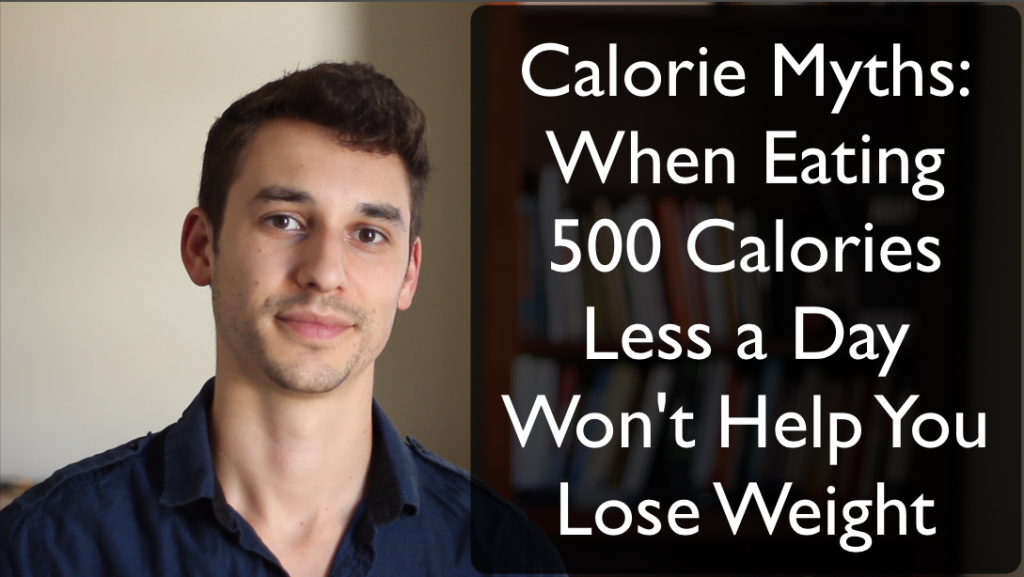 Image Source: Modern Health Monk
- Stress and Lack of Sleep
Chronic stress and inadequate sleep can affect your body’s ability to lose weight. When you’re stressed, your body releases cortisol, a hormone that can lead to increased fat storage, particularly in the abdominal area. Additionally, lack of sleep disrupts hunger-regulating hormones, which can result in increased appetite and cravings for unhealthy foods.
- Medical Conditions and Medications
Certain medical conditions and medications can interfere with weight loss efforts. Conditions like insulin resistance, diabetes, or depression can impact your body’s ability to lose weight. Similarly, some medications, such as antidepressants or corticosteroids, may have weight gain as a side effect. If you suspect a medical condition or medication may be hindering your progress, consult with your healthcare provider.
- Underlying Psychological Factors
Weight loss isn’t just a physical journey; it also involves psychological factors. Emotional eating, binge eating disorder, or food addiction can sabotage your efforts, leading to overconsumption of calories even on a low-calorie diet. It’s essential to address and manage any underlying psychological issues to achieve sustainable weight loss.
Remember, weight loss is a complex process that goes beyond simply reducing calorie intake. It’s important to take a holistic approach, ensuring adequate nutrients, physical activity, and mental well-being. If you’re struggling to lose weight despite eating 800 calories a day, consider consulting a registered dietitian or a healthcare professional who can provide personalized guidance tailored to your specific needs.
If you are looking for What Happens If I Eat 700 Calories A Day? Find Out The Ugly Truth you’ve visit to the right place. We have 5 Pictures about What Happens If I Eat 700 Calories A Day? Find Out The Ugly Truth like How Many Calories Am I Supposed To Eat A Day - Cake Baking, What Happens If I Eat 500 Calories A Day? This Might Shock You and also 8 reasons why you are eating 800 calories and not losing weight - The. Read more:
What Happens If I Eat 700 Calories A Day? Find Out The Ugly Truth
 www.vbafitness.comThe Calorie Myth: When Eating 500 Less Calories A Day DOESN’T Work (And
modernhealthmonk.comcalories eat less eating weight loss lose calorie
8 Reasons Why You Are Eating 800 Calories And Not Losing Weight - The
thecalorieconscious.comcalories weight losing eating why reasons
What Happens If I Eat 500 Calories A Day? This Might Shock You
 www.vbafitness.comHow Many Calories Am I Supposed To Eat A Day - Cake Baking
 cakebaking.netcalories
8 reasons why you are eating 800 calories and not losing weight. What happens if i eat 500 calories a day? this might shock you. The calorie myth: when eating 500 less calories a day doesn’t work (and